Deutsch
 Français
 Italiano
 English
Lock replacement: the essentials
When does the whole lock need replacing?
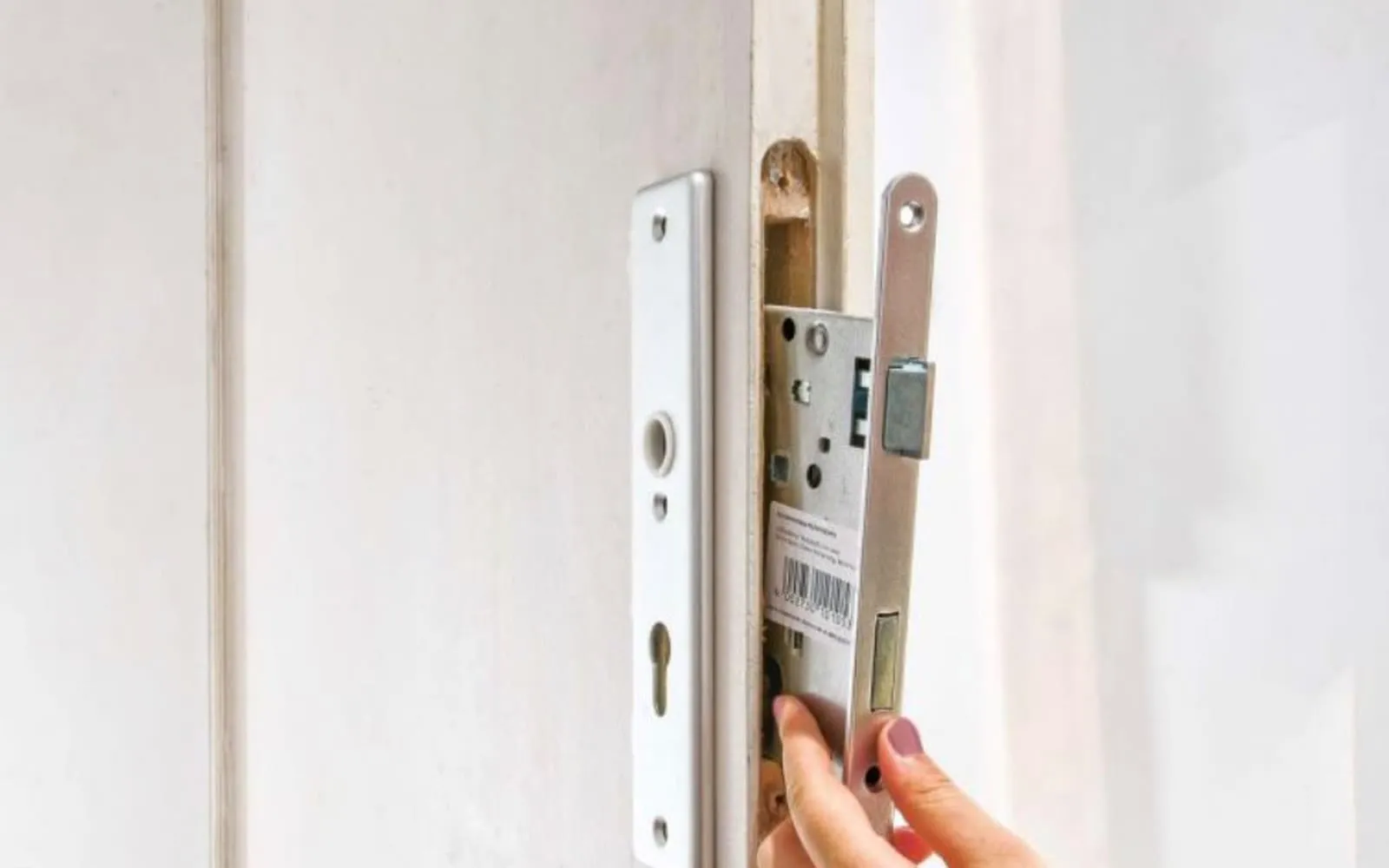
People often talk about changing the lock when they really mean the cylinder, the part you put the key into. The lock itself sits inside the door: the case of a mortice lock houses the latch, the deadbolt and the handle follower. If you have only lost your key, replacing the cylinder is usually enough. We replace the complete lock when the mechanism itself is damaged or worn, or when you want to raise the security of your door significantly.
- Signs of forced entry such as a bent bolt, a burst lock case or a torn-out strike plate
- The latch or deadbolt sticks even though the cylinder turns freely
- The handle no longer springs back or droops
- Upgrading to a multi-point or high-security lock
How is a door lock replaced properly?
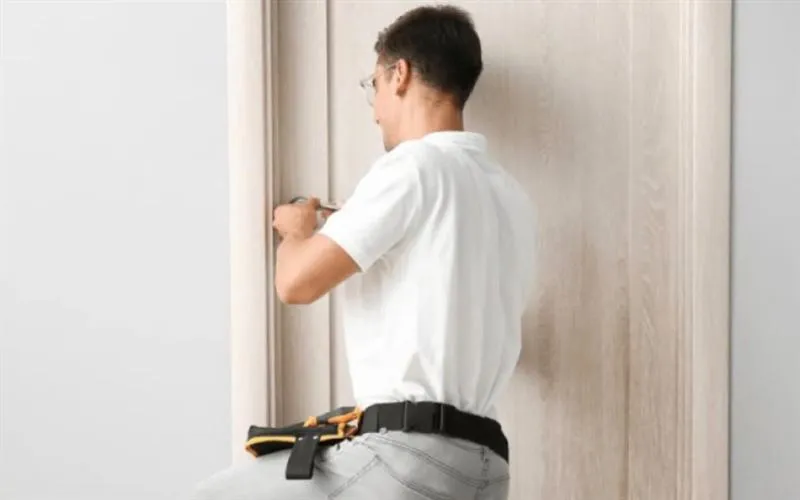
To make sure the new lock fits the existing recess without altering the door, the technician first takes the key measurements: the backset (from the forend to the centre of the cylinder), the distance between the follower and the cylinder hole, the width and shape of the forend, and the handing of the door. He then removes the handle set and cylinder, unscrews the forend and pulls out the lock case.
Once the new lock is in, the cylinder and handles go back on. Finally, he checks the latch and bolt with the door both open and closed and adjusts the strike plate if necessary so the door shuts smoothly. If a special lock is not immediately available, we secure the door temporarily and fit the right model at a second appointment.
What affects the price of a lock replacement?
There is no flat rate, because hardly any two doors are the same. Our technician tells you the price before starting work, and only then do you decide whether to go ahead. The main factors are:
You can pay in cash, by card, TWINT or on invoice, for example for your property management or insurer.
- Type of lock: a simple mortice lock, a rim lock or a multi-point lock
- Security level and manufacturer of the new lock
- Condition of the door and any adjustments to the recess or strike plate
- Whether the cylinder is replaced at the same time
- Time of the call-out: night, Sunday and public holiday surcharges are shown clearly
What should tenants and owners bear in mind?
In a rented flat, the lock belongs to the landlord. Before a planned replacement, let the property management or caretaker know, especially if the door is part of a master key system. After a break-in you can of course have the door secured straight away; just report the damage as soon as possible afterwards.
After a burglary, call the police first and leave any traces untouched until they have been. Photograph the door and lock for your insurer and keep the parts that were removed. On request you will receive a detailed invoice that you can pass straight on to your property management or insurance company.